
Healthy-looking hair isn't about using more products. Most of the time, it comes down to understanding what your scalp and hair need, then sticking to a routine consistently. Overwashing can dry hair out, while skipping conditioner can leave lengths rough and hard to manage. Frequent heat styling, tight hairstyles, and rough towel drying can add to the problem from there.
A good hair care routine for women should balance scalp cleansing, moisture, nourishment, and protection. The right shampoo does the cleansing work without leaving the scalp feeling tight and stripped afterwards. A good conditioner smooths the lengths and brings back what washing takes out. And small habits, like using lukewarm water, detangling gently rather than forcing it, can add up more over time.
In this guide, we'll walk through some practical hair care routine steps, talk through how to pick the right products, and share a few simple hair care tips that can keep your hair soft, manageable, and looking healthy.
How a Consistent Routine Supports Healthier Hair
Your scalp and your hair lengths aren't really asking for the same thing. The scalp needs regular cleansing to clear out sweat, oil, and buildup, while the lengths usually need more moisture and protection instead.
Go too harsh, and hair ends up feeling dry and rough. Go too heavy with rich products without cleansing properly, and it just weighs your hair down. The whole point is finding that balance, not chasing every new trend or reaching for five products at once.
Your hair type, scalp condition, lifestyle, and styling habits should all shape how often you wash and what you reach for.
The Necessary Steps for a Healthy Hair Care Routine
A simple routine covers most of what your hair needs without turning into a complicated routine. Follow these steps and adjust as you go, based on your hair type and what your scalp needs.
Step 1: Start with a Gentle Cleanse for a Fresh Scalp
Start by working the shampoo into your scalp; that's where all the oil, sweat, and leftover product actually build up. Wet your hair well with lukewarm water first, then massage the shampoo in with your fingertips, never use your nails; your scalp will thank you for it.
A sulfate-free shampoo can be worth trying if your hair tends to feel dry, rough, or overly stripped after a wash. Look for formulas with soothing, conditioning ingredients when your scalp and lengths need something gentler.
Botanical ingredients can make even a gentle cleanse feel more nourishing. A blend of Rosemary and Green Tea extracts, for instance, does wonders for a healthy scalp, and Aloe Vera on top of that brings in the conditioning and moisture your hair probably needs.
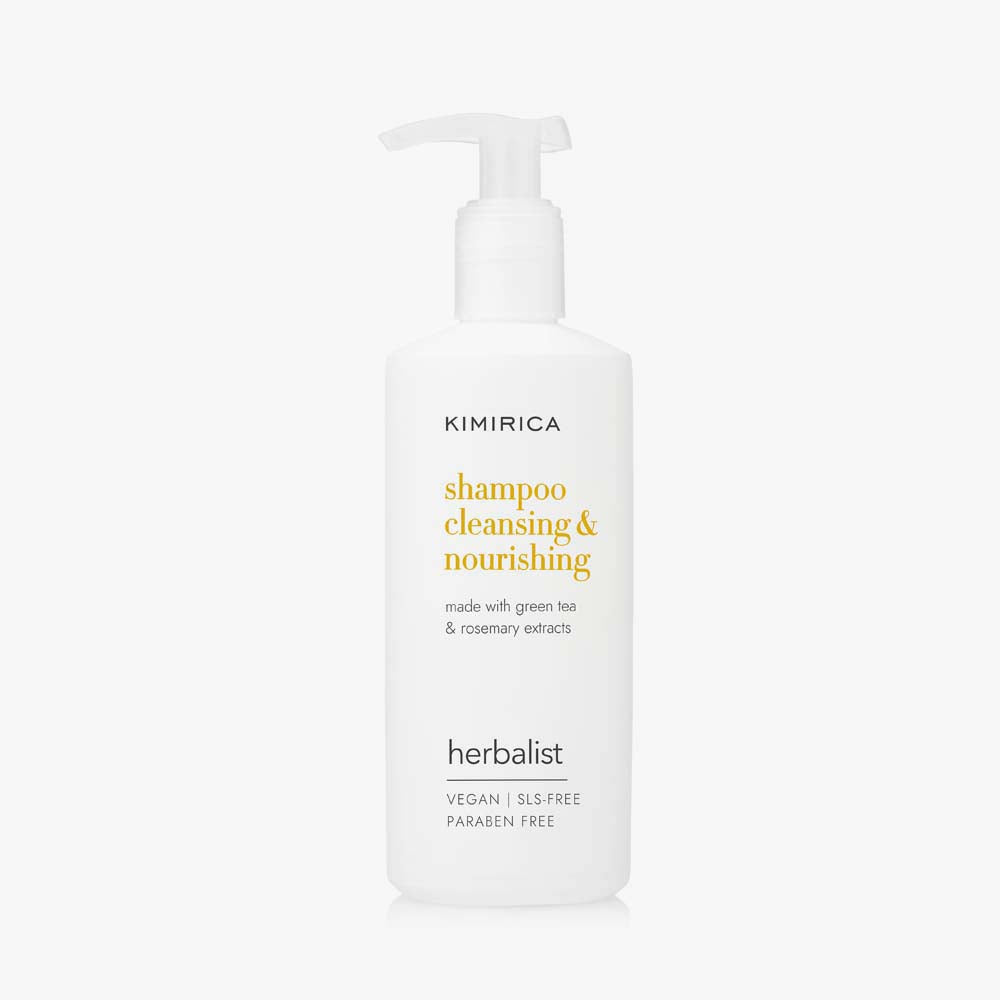
For this kind of routine, Herbalist Shampoo brings together Aloe Vera Leaf Juice, Vetiver, and Rosemary and Green Tea extracts in a sulphate-free formula made with naturally derived ingredients.
Step 2: Condition the Lengths to Restore Softness and Moisture
The conditioner replenishes moisture after cleansing and makes hair easier to detangle and manage overall. Apply conditioner mostly from the mid-lengths down to the ends, since that's usually where hair takes the brunt of dryness and friction.
Leave it on for however long the label recommends before rinsing it out properly. Try not to pile a thick layer straight onto your scalp unless the product's actually meant for that.
For dry or frizzy lengths, look for a natural conditioner for hair with ingredients like Aloe Vera, Shea Butter, and lightweight plant oils. These soften the hair and improve manageability without turning conditioning into an overcomplicated step.
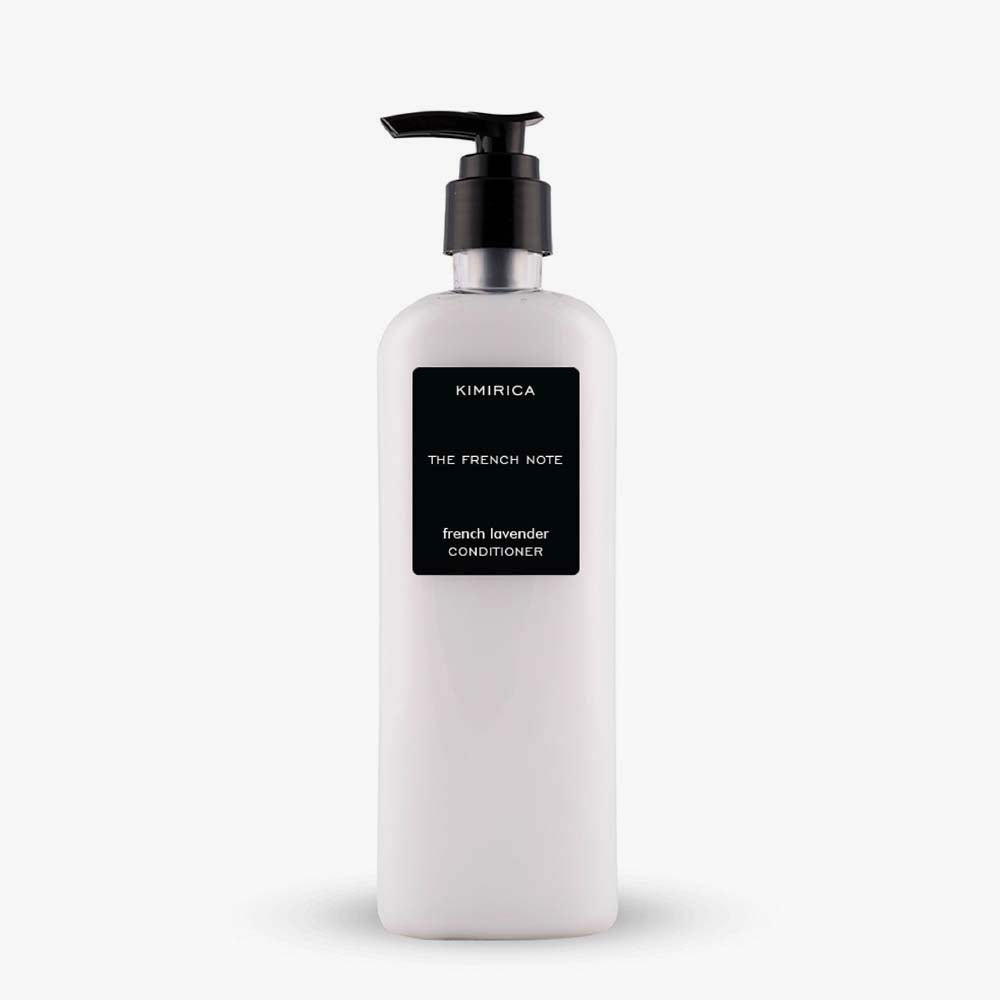
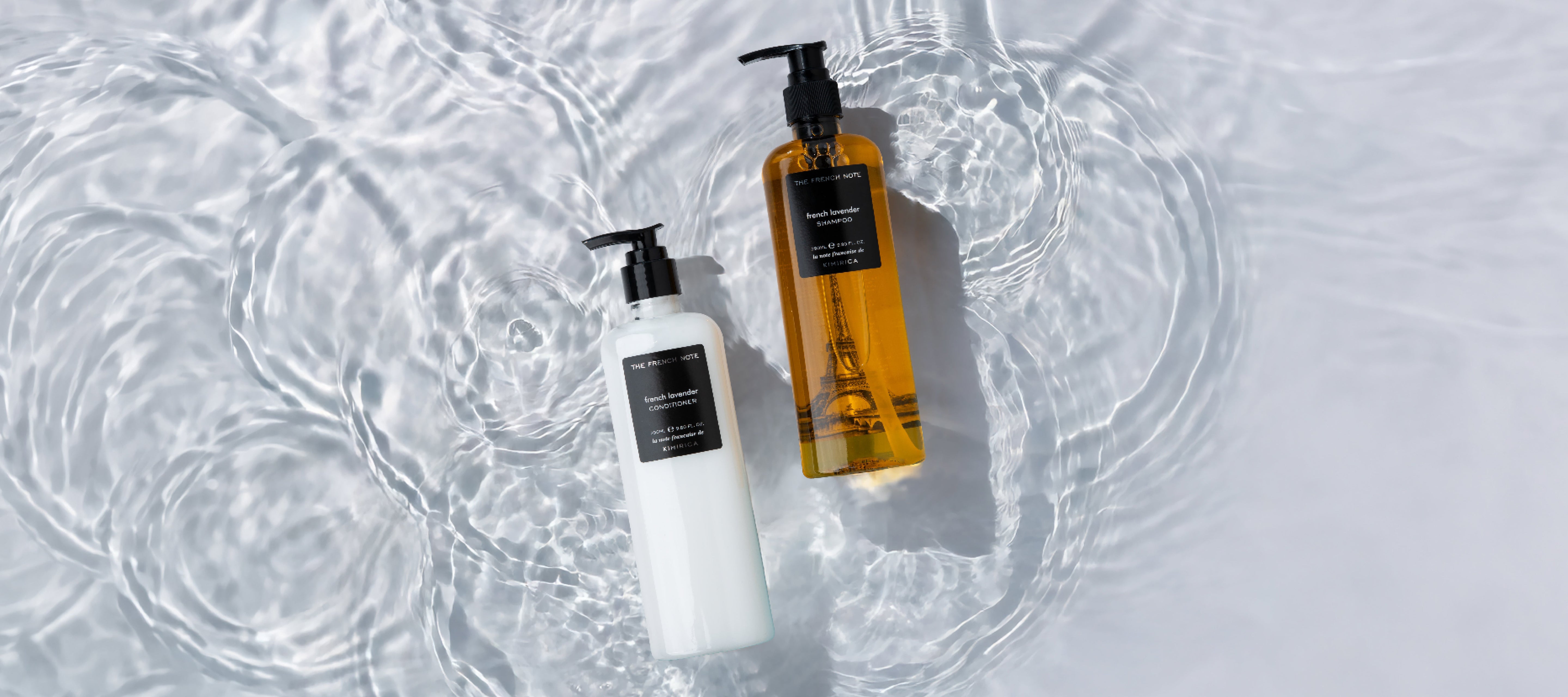
Our French Note Conditioner combines Aloe Vera Leaf Juice with Shea Butter for a moisturising step that helps leave the lengths softer and easier to work with. Its lightweight texture adds moisture without making the conditioner process feel heavy.
Step 3: Rinse and Handle Hair Carefully
Rinsing feels like the least important part, but how you handle wet hair matters more than you'd think. Skip the very hot water; it tends to leave both scalp and hair feeling dried out.
Once you've rinsed, don't twist or squeeze your hair aggressively. Press out the extra water gently with a soft towel or a cotton T-shirt instead.
Wet hair breaks more easily, so try not to drag a brush through it right after washing.
Step 4: Detangle Gently to Reduce Breakage
Start detangling at the ends and work your way up toward the roots gradually. This cuts down on pulling at the scalp and helps minimise unnecessary breakage along the way.
A wide-tooth comb usually works well on damp hair. If your hair is particularly curly, textured, or prone to tangling, use a suitable leave-in product first to add some slip and make the process easier.
This one simple habit is one of the most practical hair care tips at home, especially if you're regularly dealing with knots or rough-looking ends.
Step 5: Protect Hair from Heat
Regular heat styling can affect the hair's surface over time and contributes to dryness, split ends, and loss of smoothness you notice eventually. Whenever possible, let hair air-dry, or turn the heat setting down.
If you're using a blow dryer, straightener, or curling tool, apply a heat-protective product first. And try not to pass hot tools repeatedly over the same section of hair.
For everyday styling, looser hairstyles are generally kinder than constantly pulling hair into very tight ponytails or buns.
How to Choose Hair Care Products for Your Hair Type
Dealing with frizz? Then the best shampoo and conditioner for frizzy hair should be about gentle cleansing and moisture. Look for something with conditioning ingredients that smooth things out without leaving your hair feeling weighed down or greasy by the end of the day.
The best shampoo for hair isn't necessarily the same one for everyone. What works for you depends on your scalp, hair's texture, and specific concerns you're dealing with.
|
Hair Need |
What to Look For |
Routine Focus |
|
Oily scalp |
Gentle cleansing ingredients |
Regular scalp cleansing |
|
Dry hair |
Moisturising and conditioning ingredients |
Reduce stripping and add moisture |
|
Frizzy hair |
Conditioning agents and nourishing oils |
Smooth and protect lengths |
|
Damaged hair |
Moisture and strengthening ingredients |
Limit heat and rough handling |
|
Long hair |
Gentle cleansing and rich conditioning |
Focus extra care on lengths and ends |
For those looking for the best natural hair care products for long hair, focus on gentle cleansing and regular conditioning, particularly through the mid-lengths and ends. Longer hair is exposed to more friction and environmental stress, so keeping the lengths moisturised and handling them gently can help maintain a smoother, healthier-looking appearance.
If you wash your hair often, look for a shampoo and conditioner made for daily use, something that cleanses and conditions without leaving hair feeling stripped by the end of it.
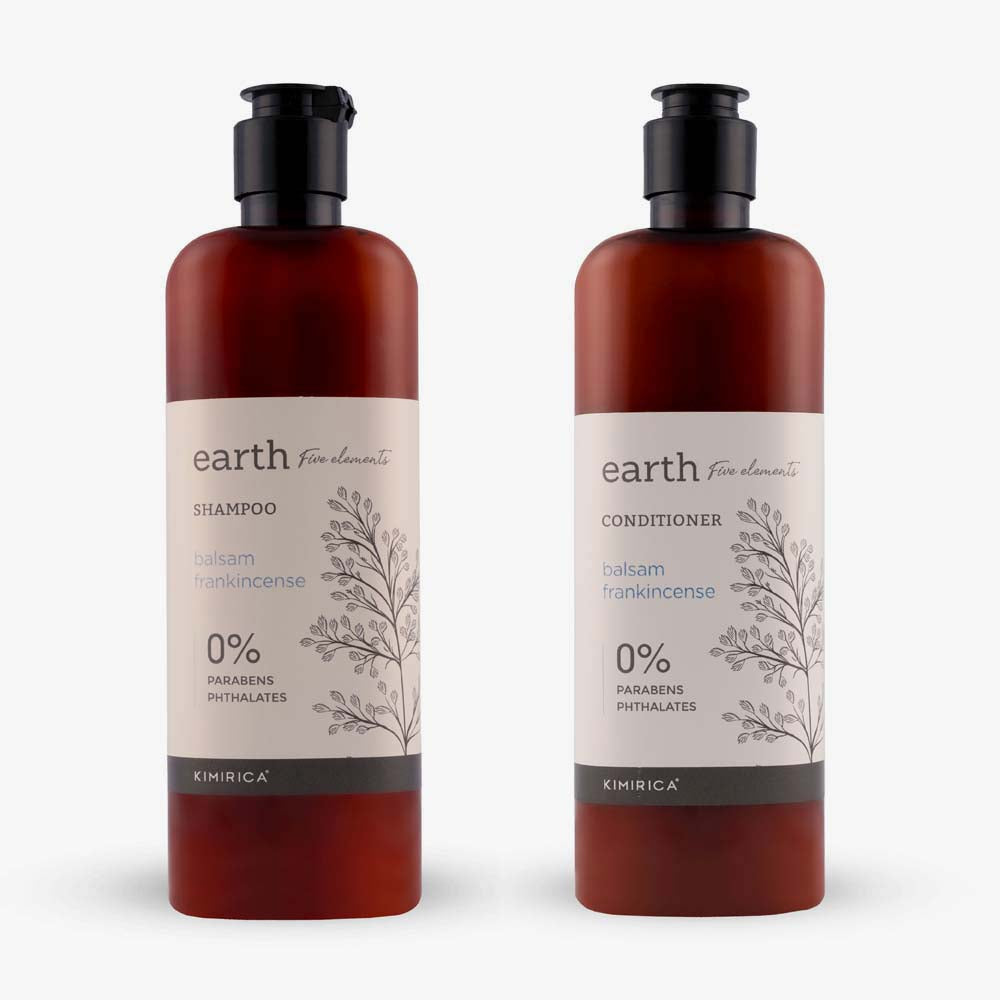
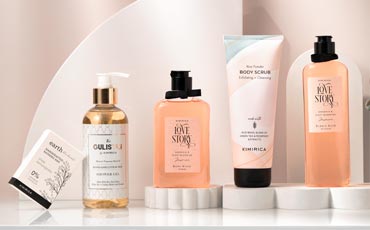
A duo can make this a lot simpler too. Earth Hair Care Duo pairs a cleansing shampoo with a replenishing conditioner, and with Aloe Vera, Betaine, and Olive Oil in the routine, it brings moisture, conditioning, and softness together in one step.
Hair Care Tips for Women to Follow Every Day
A few simple hair care tips for healthy hair growth make the whole routine easier to stick with:
-
Wash your scalp based on how oily or sweaty it gets, not on a fixed schedule.
-
Use lukewarm water instead of very hot water.
-
Apply conditioner mainly to the lengths and ends.
-
Detangle gently, starting from the ends.
-
Avoid sleeping with soaking-wet hair.
-
Limit frequent heat styling, and use heat protection when you do reach for hot tools.
-
Keep tight hairstyles to a minimum.
-
Trim visibly split or damaged ends when it's time.
-
Keep a balanced diet and stay hydrated, since that plays into hair health too.
Give Your Hair Care Routine a Thoughtful Upgrade
A consistent routine doesn't need a long shelf of products. Start with a gentle shampoo, a conditioner that suits your hair, and extra care in how you handle it between washes. Bring in specialised products only when your hair has a specific need calling for them.
Wash day: Start with a gentle shampoo, follow with conditioner, detangle your hair, and use heat protection if you're styling.
Between washes: Go easy on brushing, tight hairstyles, and unnecessary product buildup.
Weekly: Check in on your scalp and lengths, adjust cleansing or conditioning based on how your hair's actually feeling, and give your combs and brushes a clean too.
Ready to give your hair the care it's been asking for? Take a look through our hair care collection, shampoos and conditioners made to cleanse, nourish, and leave your hair feeling soft, smooth, and easy to manage.